Can Artificial Intelligence Change Education?
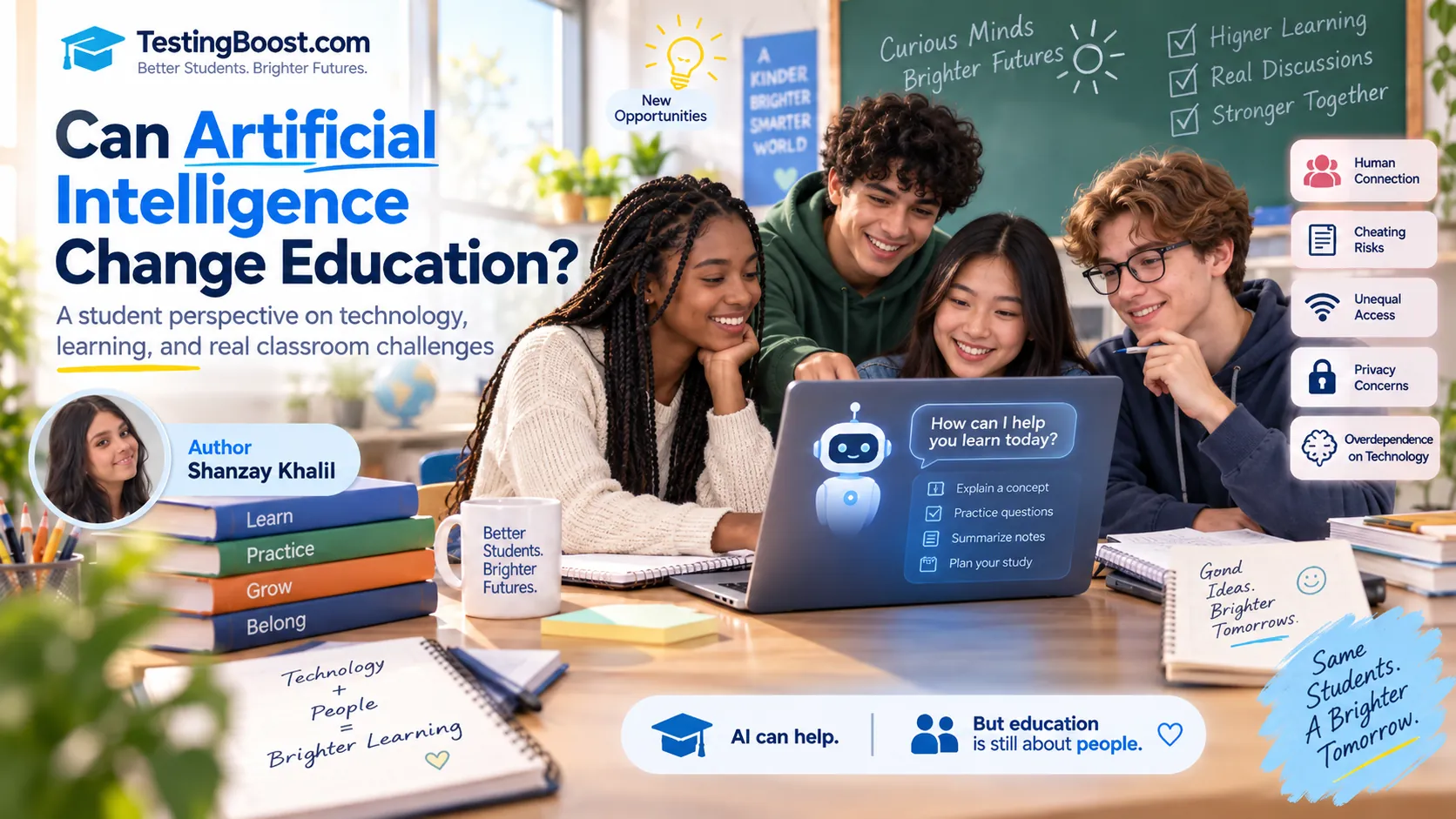
Artificial intelligence in education could end up doing more harm than good. One of the biggest concerns is that it might strip away the human element of learning. Teachers already work hard to connect with students on a personal level, understand their problems, and encourage them when they struggle. If schools depend too much on AI, education could start to feel impersonal, and some students may feel less motivated or less connected to their teachers.
Cheating is another major issue. With AI tools so easily available, students might use them to create essays, answer questions, or complete assignments without actually learning the material. This could destroy the purpose of education and make it harder for teachers to understand what students really know. Students may get good marks, but they may not have the knowledge or skills that those marks are supposed to show.
Another problem is that students could become too dependent on AI. If they use it for every question, idea, or piece of homework, they may stop thinking for themselves. They may also lose important skills such as problem-solving, writing, research, and critical thinking. These skills take time and practice to develop, and students need to learn how to work through difficult tasks on their own.
Schools could also waste significant resources on AI systems that do not deliver on their promises. New technology can be expensive, and teachers may need extra training to use it properly. Teachers might spend more time dealing with technical problems than teaching, and systems could fail at important moments, disrupting lessons and causing frustration.
Accessibility is another problem. Not all students have reliable internet, computers, or devices at home. If schools rely too heavily on AI, the gap between students who have good resources and those who do not could become even wider. This could leave disadvantaged students further behind.
Privacy is also a concern. AI systems may collect information about students, including their work, learning habits, and personal details. Schools need to be careful about how this information is stored and used.
Overall, AI may be useful as a supporting tool, but it should not replace teachers, effort, or real learning. If it is used without proper limits, it could create more problems than it solves. Education should still focus on understanding, independent thinking, fairness, and the human connection between teachers and students. Careful rules and teacher guidance are therefore essential.